Why Learn to Live Recovery Works: Testimonials From Men Who Live
-
Listing id97dkpzrx
-
Categories
-
Asking price
Wanted item or service
-
Quantity
Not applicable
-
TaxNot applicable
-
Shipping & Handling
Not applicable
-
Posted2 months ago
vaultmedia
Clayton, MO
Member since November 13, 2014
Please only contact the seller if you are interested in buying or bartering for this item. Spam and fraud will not be tolerated.
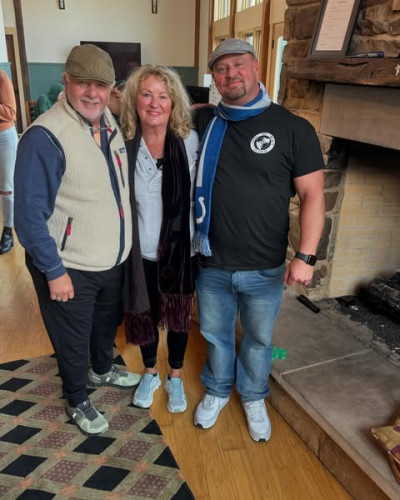
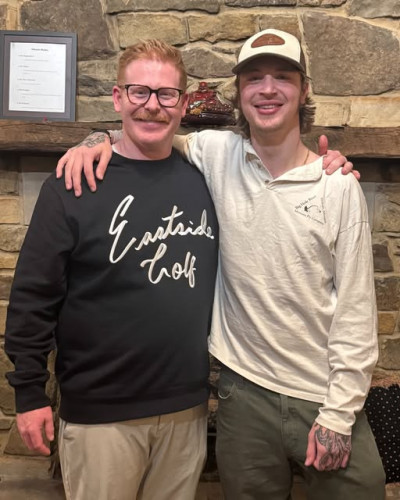
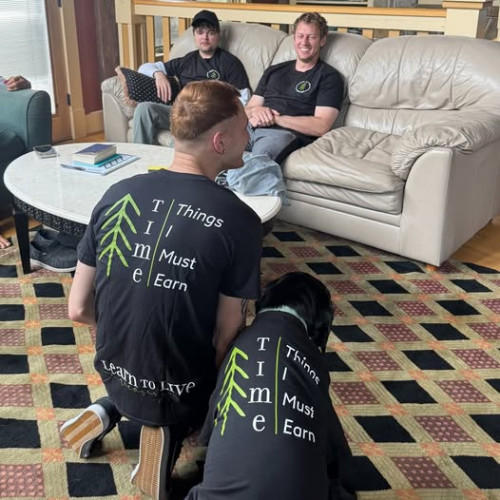
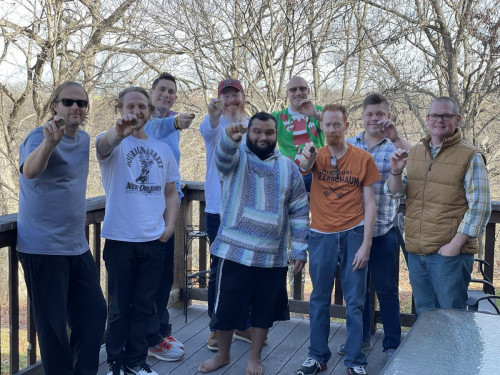
Instead of rushing the process, Learn to Live provides the time and space residents need to find clarity, develop life skills, rebuild confidence, and prepare for lasting sobriety. While staff can describe what makes the program work, nothing is more powerful—or more honest—than hearing it directly from the men who lived it.
Below, two alumni share their experiences: the breakthroughs, the camaraderie, the humor, and the deeply personal moments that shaped their recovery. Their stories reflect the impact of Learn to Live Recovery’s comprehensive approach and the strength of the community behind it.
Bradley’s Story: Confidence, Camaraderie, and a New Direction
“Learn to Live Recovery is best described by its name,” writes Bradley Irwin. “It is a sanctuary of recovery where one can find themselves again… or possibly for the first time.”
When Bradley left California for Missouri, he was terrified at the idea of spending months in a house full of strangers. That fear quickly became connection. Between the structured support from staff and the honest fellowship among residents, he found something he didn’t expect—purpose, confidence, and a new family.
“The skills and perspective I garnered in my time living in the care of the Learn to Live staff has imbued a confidence in myself, and my recovery, that I could not have imagined beforehand.”
What stood out most to Bradley wasn’t just the clinical support, but the human connection. Staff became mentors, guides, and in many ways, a family he wanted to make proud. And the men in the house became his community—a group committed to the same goal, each pushing the others forward.
He describes recovery as a ship he had sailed alone for too long. When he “shipwrecked in Hermann,” he didn’t yet realize new crew members were coming aboard. Those relationships helped him navigate toward calmer waters.
Today, with ten months of sobriety and a renewed outlook on life, Bradley is pursuing a degree in Behavioral Health. His long-term goal? A PhD in therapy and substance abuse counseling—to pay forward what Learn to Live gave him.
“You can find a better, healthier way to enjoy life, and Learn to Live is the perfect place to do that with the right combination of support from friends and… what might come to feel like family.”
And yes—he notes that even the house dog becomes part of the healing process, “but only when he wants to.”
Brent’s Story: Healing the Individual and the Family
Brent Ricketts had spent years appearing successful on the outside, even while his mental health and sobriety were crumbling on the inside. By 2020, he found himself in a painful cycle—failed attempts at sobriety, worsening mental health, strained relationships, and a growing sense of hopelessness.
When Brent reached his breaking point, he made a decision: recovery had to become his priority, but he knew he couldn’t navigate it alone.
“I gave Learn to Live a chance to do what they are one of the best at doing—helping men from all walks of life… learn to live.”
At Learn to Live, he found something he’d been missing: a place dedicated solely to healing. Just as he once spent hours in the law school library sharpening his skills, Learn to Live became the place where he could focus entirely on rebuilding himself.
What surprised Brent most was how deeply the program influenced not only his life—but his family’s.
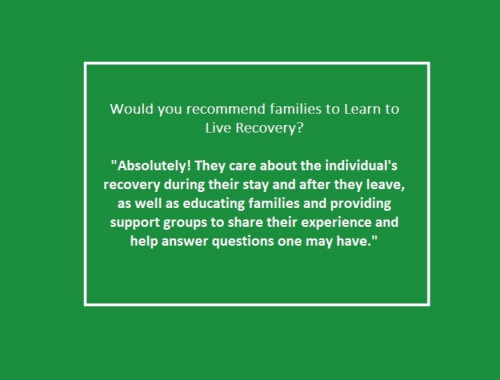
Addiction impacts everyone connected to the person struggling, and recovery should too. Through the Learn to Live Family Program, his loved ones gained understanding, tools for communication, and their own pathway to healing.
“The Family Program offered has made and continues to make a lasting impact… my family has learned as much if not more than me about principles of recovery, boundaries, trust, and support.”
Today, Brent credits his renewed confidence, improved relationships, and ability to envision a meaningful future to the time he spent immersed in the Learn to Live community.
Why Alumni Say Learn to Live Recovery Works
Reading these stories, several themes rise to the surface—core elements that make Learn to Live’s extended care program so effective:
✔ Camaraderie & peer connection
Men form deep, honest relationships that support long-term sobriety.
✔ Supportive accountability
Staff help residents navigate daily decisions, setbacks, and personal growth.
✔ Time to heal
Unlike short-term programs, extended care allows for real change, not quick fixes.
✔ A structured path to independence
Residents build routines, develop habits, and prepare for life after treatment.
✔ Family involvement
The Family Program helps rebuild trust and creates healthier support systems.
For men seeking real, sustainable recovery—and for families looking for hope—these stories are proof that change is possible, and that Learn to Live Recovery is a place where it happens every single day.
To learn more about Learn to Live Recovery’s extended-care sober living program for men, visit our website or contact our team today. A stronger, healthier future is possible—and we’re here to help every step of the way.
#AddictionRecovery #SoberLiving #LongTermRecovery #RecoverySuccess #MensRecovery #ExtendedCare #SoberLife #FamilyRecovery #LearnToLiveRecovery