What Is an Intensive Outpatient Program (IOP)?
-
Listing idm2oclrw8
-
Categories
-
Asking price
Free
-
Quantity
Not applicable
-
Taxcontact us
-
Shipping & Handling
Not applicable
-
Posted3 months ago
vaultmedia
Clayton, MO
Member since November 13, 2014
Please only contact the seller if you are interested in buying or bartering for this item. Spam and fraud will not be tolerated.
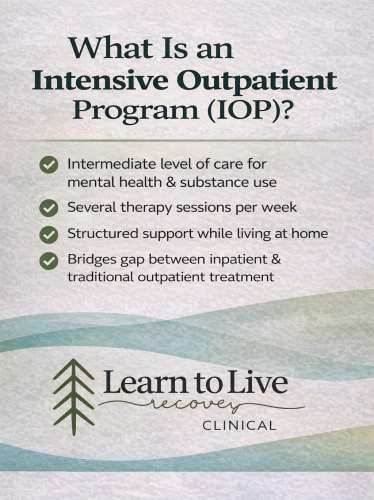
At Learn to Live Clinical Services, an IOP provides structured, evidence-based treatment while allowing clients to continue living at home and maintaining work, school, or family responsibilities. It’s a level of care designed to bridge the gap between inpatient treatment and traditional outpatient therapy.
What Exactly Is an IOP?
An Intensive Outpatient Program is considered an intermediate level of care. It offers more therapeutic structure than standard outpatient counseling, typically including multiple therapy sessions per week, while still allowing individuals to remain integrated in their daily lives.
IOP is often recommended for individuals who:
Are stepping down from inpatient or residential treatment
Need more support than once-a-week therapy
Are experiencing recurring mental health or substance use challenges
Want structured accountability without full hospitalization
This level of care allows clients to strengthen coping skills in real time while applying what they learn outside of sessions.
What to Expect in an IOP
At Learn to Live Clinical Services, IOP programming typically involves several hours of therapy multiple days per week. Treatment plans are individualized and may include:
Individual Therapy
One-on-one sessions focused on personal triggers, emotional regulation, trauma processing, and goal setting.
Group Therapy
Clinically guided group sessions that foster peer connection, shared accountability, and skill-building in a supportive environment.
Life Skills & Coping Strategies
Practical tools for stress management, communication, relapse prevention, and healthy decision-making.
Family Involvement
When appropriate, family participation helps strengthen communication and long-term support systems.
IOP allows individuals to build stability while remaining engaged in their everyday responsibilities. This balance often leads to stronger long-term outcomes.
Is IOP Right for You?
If you or a loved one needs structured mental health or substance use support without full residential care, an Intensive Outpatient Program may provide the right combination of flexibility and accountability.
#IntensiveOutpatient #IOPProgram #MentalHealthSupport #OutpatientCare
#LearnToLiveCS