Managing Holiday Stress While Maintaining Your Recovery Goals
-
Listing idv2vobj1w
-
Categories
-
Asking price
Free
-
Quantity
Not applicable
-
TaxNot applicable
-
Shipping & Handling
Not applicable
-
Posted1 hour ago
vaultmedia
Clayton, MO
Member since November 13, 2014
Please only contact the seller if you are interested in buying or bartering for this item. Spam and fraud will not be tolerated.
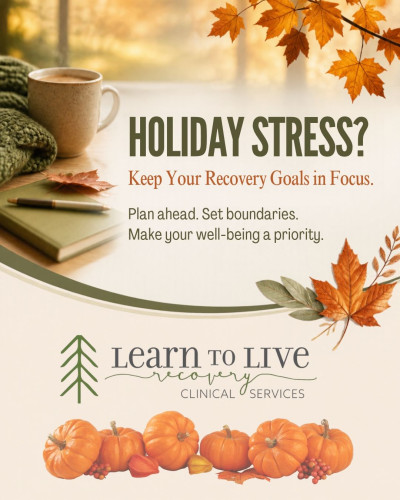
For someone working through substance use concerns or maintaining recovery goals, those added pressures deserve attention. Recognizing what may make this season difficult—and thinking ahead about ways to respond—can help you make choices that support your well-being.
Recognize What May Increase Your Stress
Holiday stress doesn't look the same for everyone. Family gatherings, financial pressure, loneliness, travel, social expectations, or changes in everyday routines can all create additional challenges.
Some people may encounter situations where alcohol or other substances are present. Others may find that certain relationships or memories bring up uncomfortable feelings.
Take a little time to consider what situations may be difficult for you. Recognizing potential stressors doesn't mean you have to avoid every challenging situation. It gives you an opportunity to think about what support or boundaries might help.
Make a Plan Before You Feel Overwhelmed
When you're already stressed, it can be harder to think through your options. Planning ahead gives you a chance to consider how you want to handle situations before you're in the middle of them.
You might:
Decide ahead of time which gatherings or activities feel appropriate for you.
Arrange transportation so you have the flexibility to leave when needed.
Identify someone you can contact if a situation becomes uncomfortable.
Prepare a simple response if someone pressures you to drink or use substances.
Schedule time for rest instead of filling every day with obligations.
Your plan doesn't have to be complicated. It should reflect your needs and give you options when circumstances become challenging.
Protect the Routines That Help You
Busy schedules can make it easy to put everyday habits aside. However, maintaining routines that support your well-being can be especially helpful during periods of added stress.
Try to make room for regular meals, adequate rest, physical activity that works for you, and time to decompress. If attending treatment appointments or participating in recovery support is part of your routine, consider how you'll maintain those commitments during the holiday season.
Consistency doesn't mean every day has to look exactly the same. It means making room for the things that help you stay connected to your goals.
Give Yourself Permission to Set Boundaries
You don't have to attend every event, answer every personal question, or explain every decision you make.
Healthy boundaries can include limiting time in stressful environments, declining invitations that don't feel right, or stepping away from conversations that become uncomfortable.
Setting a boundary isn't about controlling other people. It's about recognizing what you need and making choices that support your well-being.
Reach Out Before Stress Becomes Too Much
You don't have to wait until you're overwhelmed to ask for support. Talking with a therapist, treatment provider, or trusted support person can help you work through concerns and consider practical ways to manage difficult situations.
If your stress, cravings, or emotional challenges become harder to manage, let your treatment provider know. Your needs may change, and your support plan may need to change with them.
Support for the Road Ahead
Outpatient treatment can provide ongoing professional support as individuals work through substance use and mental health concerns. Individual therapy, group therapy, and skills-based approaches can help people explore challenges, develop coping strategies, and work toward their treatment goals.
Learn to Live Clinical Services in Washington, Missouri, offers individualized outpatient services for substance use and mental health concerns. The goal is to consider the whole person and provide care that reflects individual needs.
The holidays don't have to be perfect, and neither does your recovery journey. Give yourself permission to plan ahead, recognize your limits, and reach out when you need support.
If you're exploring outpatient treatment in Washington, MO, Learn to Live Clinical Services can help you learn more about available services.
Taking care of yourself is not putting your recovery on hold. It's part of making your well-being a priority.
#LearnToLiveClinicalServices #HolidayStress #RecoverySupport #AddictionTreatment #OutpatientTreatment #AddictionTherapy #SubstanceUseRecovery #MentalHealthSupport #WashingtonMO